Is Infant Sleep Advice Online Actually Safe?
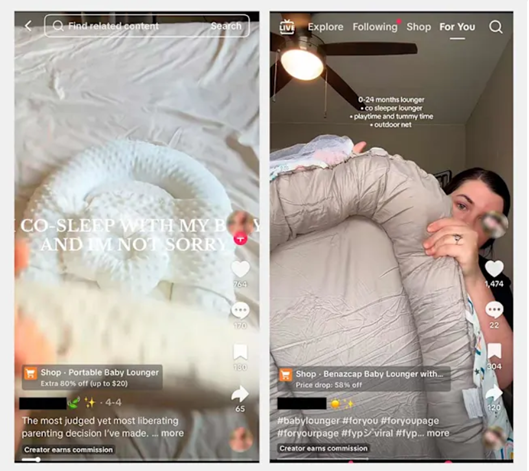
As a parent, anything involving kids, especially babies, gets your attention fast. The claim I wanted to look into came from an article we read in my social media MCO 335 class. You’ll often find social media posts and parenting blogs suggesting that certain sleep positions or setups for infants are “safe” or even better for helping babies sleep longer. Some of these posts go against what you typically hear from doctors, which immediately raised a red flag for me.
This article from Consumer Reports talks about how misinformation around infant sleep is becoming more dangerous. That made it feel like something worth digging into instead of just taking at face value.
Step 1: Stop and Question the Claim
Before doing anything else, I paused and asked: Does this sound right?
The biggest red flag was that the advice I’d seen online didn’t always match what pediatricians usually recommend, like babies sleeping on their backs in an empty crib. When something goes against widely accepted guidance, that’s usually a sign to take a closer look instead of just rolling with it.
Step 2: Investigate the Source
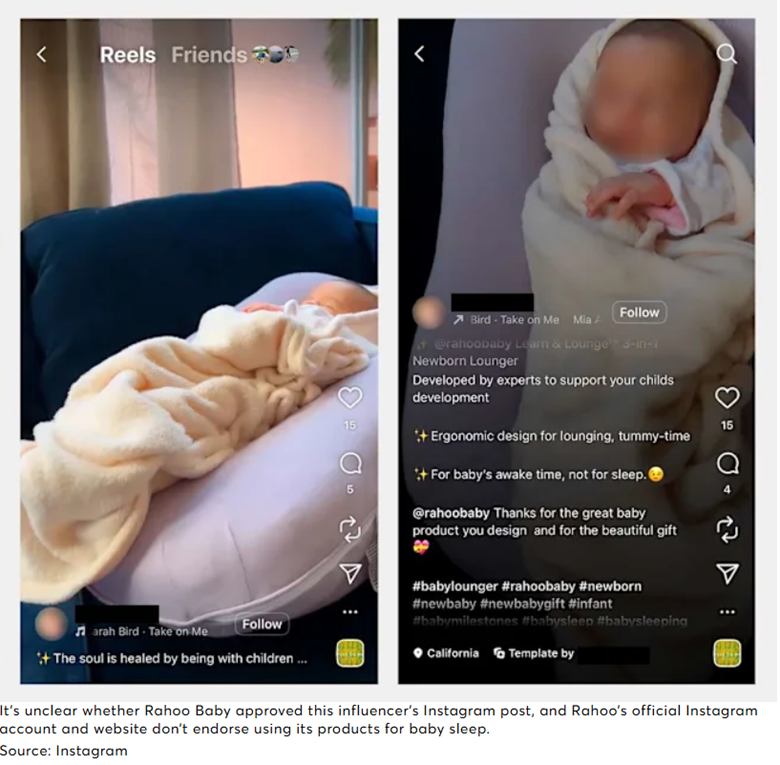
Next, I looked at where the information came from. A lot of the posts I’ve seen don’t link to medical professionals or credible organizations they’re often blogs, influencers, or reposted content with no clear source.
In contrast, the Consumer Reports article references established safety guidelines and highlights how some companies and online sources spread misleading information about infant sleep products.
Step 3: Find Better Coverage
Instead of sticking with one article, I opened new tabs and looked for other sources talking about infant sleep safety. This is where lateral reading really comes into play; don’t stay on one page, go see what others are saying.
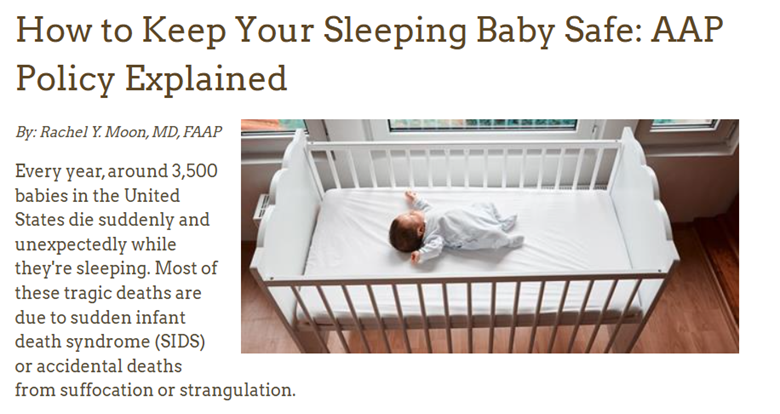
I found that organizations like the American Academy of Pediatrics consistently recommend that babies sleep on their backs, on a firm surface, with no loose bedding or added products. That lines up with what the Consumer Reports article was warning about. Misinformation often pushes products or techniques that go against these guidelines.
Step 4: Check the Evidence Behind the Claim
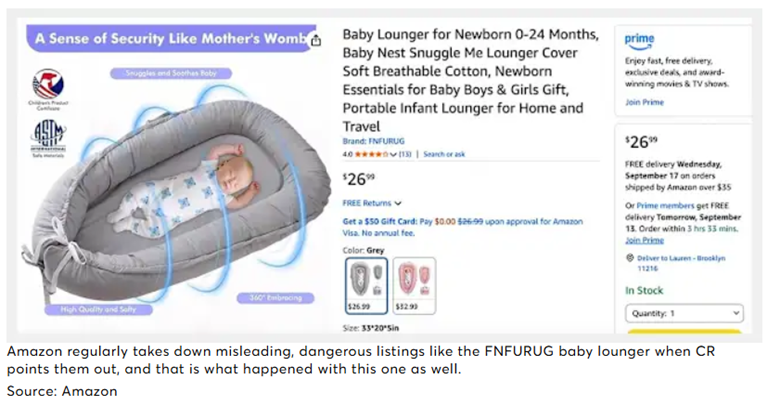
This is where things really clicked. The Consumer Reports article explains that some misinformation is tied to marketing. Products are advertised as “safe” or “sleep-enhancing” without solid scientific backing. That’s a big deal, especially when it comes to infant safety.
It also reinforced something from this module; just because something is widely shared or looks professional doesn’t mean it’s backed by real evidence. In fact, repetition can make bad information feel more believable.
Step 5: Trace the Claim Back
I also tried to figure out where some of these ideas started. A lot of them don’t trace back to clear research, they’re passed around, reshared, and eventually start to feel like common knowledge. That’s another warning sign.
This step reminded me of the “Check other sources” and “Investigate the source” strategies from the module videos. If you can’t find a solid origin, that’s a problem.
Final Thoughts
After going through this process, my conclusion is pretty clear: there’s a lot of misinformation out there when it comes to infant sleep, which can be incredibly dangerous. The more reliable sources, like medical organizations and well-researched reporting, consistently say the same thing, while questionable advice tends to come from weaker or unclear sources.
What this really showed me is that you can’t just rely on gut instinct or what “looks right” online. Taking a few extra minutes to stop, check the source, and compare information can make a huge difference, especially when it comes to something as important as your child’s safety.
At the end of the day, this isn’t just about proving something true or false. For me, it’s become about building the habit to slow down, ask questions, and make sure the information I’m trusting actually holds up.
Leave a Reply