Why It Matters More Than You Think
If you’re anything like me, your sports news comes from a mix of social media, ESPN alerts, podcasts, and whatever pops up on Twitter/X. Most of the time, for me, I’m just scrolling and reacting in the moment.
The problem? Not everything we see is real.
This is your guide for staying aware, and confident in a fast-moving sports media environment that constantly tries to pull emotional reactions before understanding.
The Rise of “Fake” Sports News
The problem is that sports misinformation doesn’t always look obvious. Usually, it blends in with legitimate content. A few of the biggest culprits:
- Exaggerated transfer or trade rumors
Headlines like “Blockbuster Deal Imminent” when, in reality, it’s just speculation from an unnamed source.
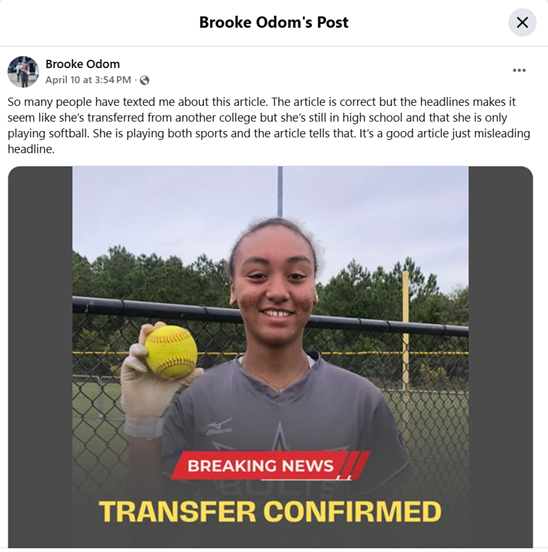
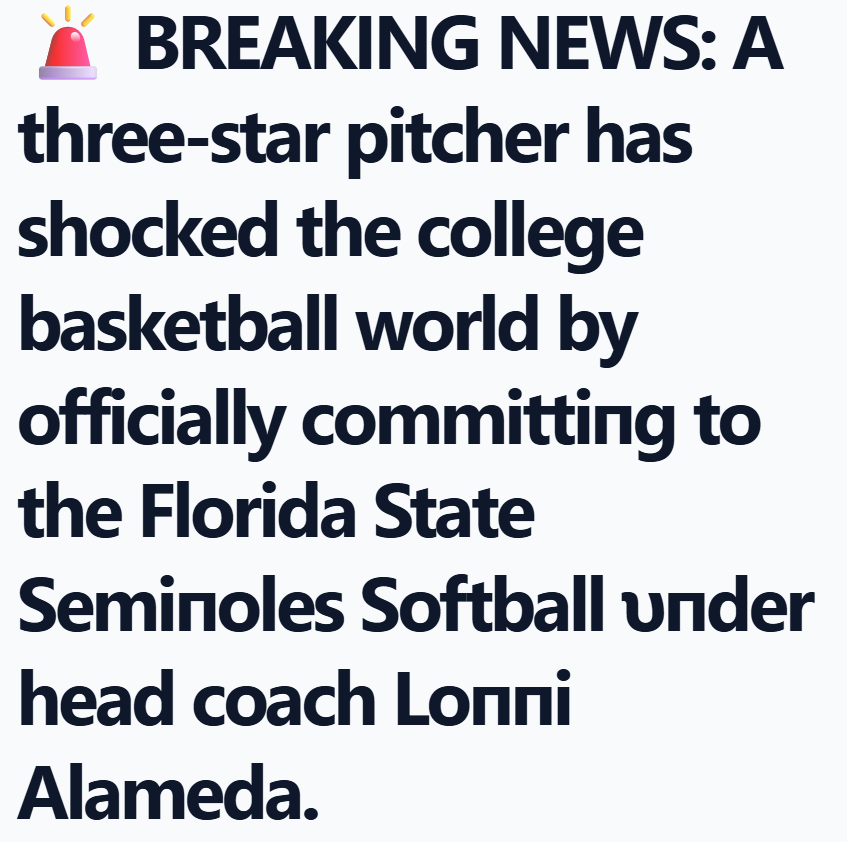
Like this softball player’s post on Facebook.
- False [injury] reports
A tweet claims a star player is “out for the season,” and before you know it, everyone is reacting, only to find out later it wasn’t true. Or worse when The Athletic incorrectly reported Miguel Rojas was suspended for a banned substance. Rojas states he didn’t receive an apology. : r/baseball - Deepfakes and edited clips
I find this harder to spot. Videos, pictures, or even audio clips can be manipulated to make it look like a player said or did something they never actually did. Without context there’s room for interpretation and that’s not usually a good thing. Context gets lost in short clips.
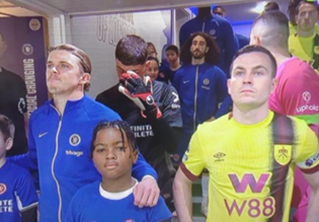
An example of this is the viral soccer clip that made it look like Chelsea’s Conor Gallagher ignored a young fan. The video spread quickly and got people fired up. Eventually the full interaction was shared, which told a different story. The clip wasn’t fake and it didn’t break any rules, but it lacked context and painted a picture that wasn’t true.

- Fake social media accounts
Accounts that look official but aren’t of times steal names and images to make them appear real. They post “breaking news” that spreads fast before anyone questions it. Fans will often fall for these pages without realizing.
What makes this powerful isn’t just the rumor or untruth, it’s how it pulls you in. You see it and you react and maybe even share it. That reaction is exactly what they want.
It’s Sports Why Does It Matter?
It’s easy to brush this off because it’s sports and at the end of the day it’s just a game. This isn’t just about spotting fake headlines or calling out bad posts. It’s about learning how to stay steady in a sports media world that is fast, emotional, and often misleading.
The goal is to stay grounded but skeptical. These practical tools help us to be aware of how easily information can be shaped before we even realize it.
But the impact is real, it does matter:
- We spread false narratives without realizing it
A quick share or retweet can push misinformation to hundreds (or thousands) of people, especially in the sports world. - Reactions fuel unnecessary arguments
Fans get heated over something that isn’t even true and can cause conflict outside of social media. Human reactions in public places can play out in the sports arenas.
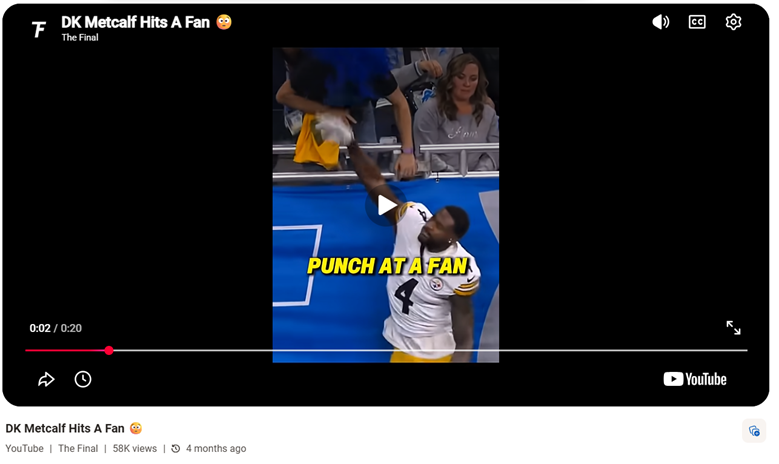
A good example of this is the December 21st, 2025, Steelers game where cameras caught DK Metcalf grabbing and punching a Lions fan in the stands, rumors quickly spread online and in media outlets that the interaction was racially charged.
- It lowers our guard in other areas
If we don’t question what we see in sports, we’re less likely to question more serious information like news, politics, or health topics.
In other words, how we consume sports media shapes how we consume everything else.
For the Sports Fan
This is for guys like me, not the hardcore analysts breaking down film all day.
This is for:
- Fans like us who scroll through headlines
- People who catch updates between their kids’ events, between meetings, or on the drive home
- Anyone who reads, reacts, and moves on without digging deeper. Admit it, that’s most of us!
How to Spot Fake Sports News
You don’t need to fact-check everything. Just be aware and a little more intentional. Check out my previous blog post Spotting Misinformation Online.
Take a look at these two simple methods that can go a long way in helping you spot misinformation:
Think of this as a quick mental checklist:
- Stop – Don’t immediately react or share
- Investigate the source – Is this a credible outlet or a random account?
- Find better coverage – Are major outlets reporting the same thing?
- Trace it back – Where did this information actually come from?
This just means leaving the original post and checking other sources.
Instead of staying on one tweet or article:
- Open a new tab
- Search the claim
- See what multiple sources are saying
If it’s real, it’ll show up elsewhere. If it’s not, you’ll be able to see pretty quickly.
What This Looks Like in Real Life
Let’s say you see a headline:
“Star QB OUT for Season After Devastating Injury”
Before reacting:
- Check if ESPN, NFL Network, or major reporters are saying the same thing
- Look at the original source of the claim
- If there’s a video look for and watch the actual film (not just the edited version)
A lot of times, there’s a little bit of truth but, not nearly as dramatic as the headline.
The goal here isn’t to overwhelm you, it’s to make this feel as natural as your normal browsing.
Take the time to:
- Pause for a second
- Check one or two sources
- Think before sharing
You’re already ahead of most people.
A Real-World Example
Take this post, 674.2K views, 6K reposts and 177 comments.
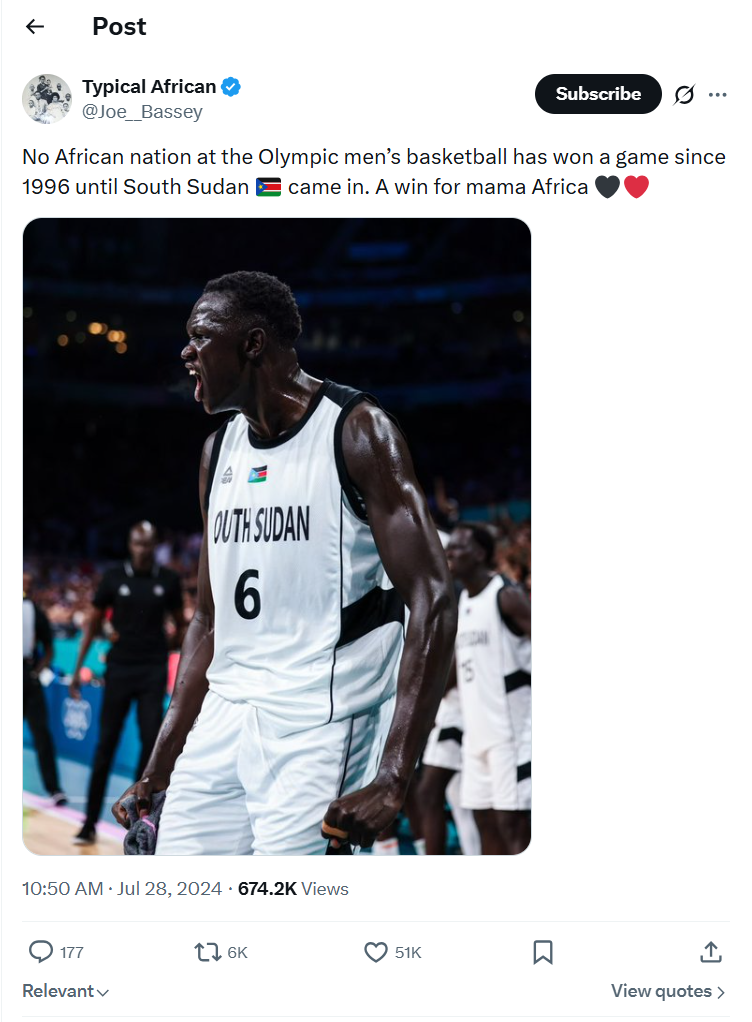
Break it down with SIFT
- Stop
- The post uses emotional and national pride language
- It is designed to trigger quick reactions and shares
- Investigate the source
- No official data, article, or governing body is cited
- Comes from a social media post, not a verified sports source
- Find better coverage (lateral reading)
- Olympic and FIBA records show African teams have won games since 1996
- Example: Nigeria and Angola have both recorded Olympic wins in past tournaments
- Trace the claim
- The statement likely comes from mixing partial truths with exaggerated framing
- South Sudan’s achievement is real, but the “no wins since 1996” claim is inaccurate
- True and false
- True:
- South Sudan’s Olympic basketball appearance is historically significant
- African basketball programs have had limited Olympic success overall
- False or misleading:
- That no African team has won a game since 1996
- That South Sudan is the first to break a 1996–present winless streak
- True:
The post is misleading because it turns a partial story into an all-encompassing statistic. Lateral reading quickly shows the broader historical record does not support the claim. Emotional framing helped the post spread faster than the facts.
The Finish Line
Sports are supposed to be fun, but the way we consume sports media has real habits baked into it.
If we can get better at spotting misinformation, even where the stakes feel low, we’ll be able to spot things when it actually matters. It’s really just about slowing down long enough to not let the first headline do all the thinking for us. And as Eve Pearlman says, We got this!
Leave a Reply