Spotting Misinformation
7:00 AM: Get up, my wife is already up getting our 9-year-old on the bus. I have a few minutes of quiet before I have to get the 4-year-old going and the baby up. So, before my feet hit the floor, I’m scrolling through the ESPN app. NFL free agency rumors grab my attention plus this YouTube clip from the Pat McAfee Show breaking down a quarterback controversy.
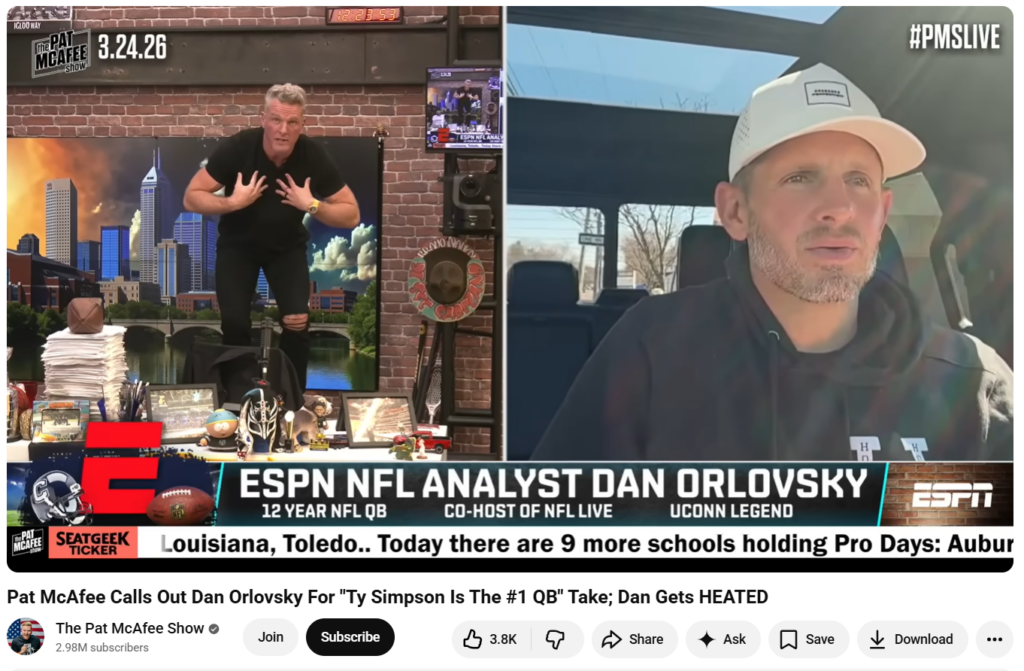
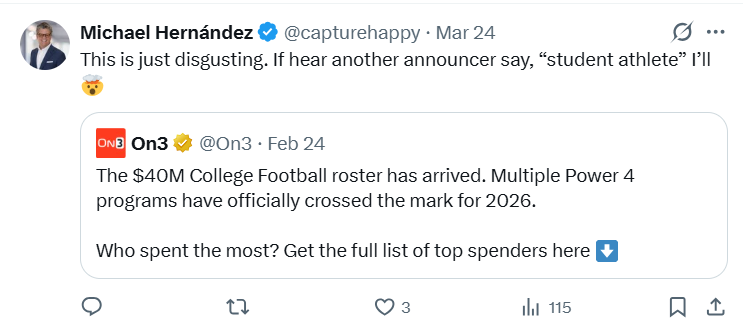
7:45 AM: The boys are up and the oldest is getting ready. I sit down again with my cup of coffee in hand, and I check my email accounts, calendar and GroupMe app. I quickly get sucked into the baseball world and find myself browsing Twitter/X. I can’t help but see the viral clip claiming a college athlete signed a $10M NIL deal. I don’t see a source linked, just “reports say”, I keep on scrolling. The more I look into it, the more I think it’s bogus.
8:15 AM: We are out the door driving my oldest to High School because he has to bring his baseball equipment and then directly to pre-school for the 4-year-old. Tune into Fox Sports Radio and The Dan Patrick Show. They’re talking NBA playoffs and the new Ball/Strike system impacting the MLB.
9:10 AM: Back home, the baby has his bottle so, I hop on MLB the Show and play a little baseball for some downtime before the day gets busy with homework and chores.
Questionable Content & Fact Checking
The NIL deal rumor stuck with me. I can’t find anything credible with a Google search. Later in the day I checked ESPN.com and The Athletic and I found nothing. I tried to track down the original Tweet but couldn’t find a credible source, just retweets and reactions. I couldn’t find the exact NIL rumor on Snopes.com but, I did find similar factchecks like the one about Simone Biles losing a $22M deal. This shows how easily large dollar claims spread without evidence. That helped reinforce my thought that the $10M NIL claim was an exaggeration.
Later in the evening, while doom scrolling, I came across a meme that suggested drinking coffee before breakfast causes heart damage. No source cited, a dramatic graphic, a slight panic attack because I rely on my first cup of coffee in the morning to get me going. A quick look at the comments sent me to the article but the post has no credible sources. A quick check on this one lead me to mayoclinic.org and healthline.com where they suggest that coffee is generally safe and even beneficial in moderation. It didn’t take long for another sketchy claim to come across my phone in the form of a fitness influencer claiming “3-day detox” that can reset your metabolism. This one felt immediately sketchy because the video was long and never got to the point. If I wanted to know how to follow the detox plan, I had to subscribe to their master class.
Honestly, I saw more questionable content than I expected throughout the day but, really, it wasn’t random. I guess I always knew it was happening but, never fully paid attention. Mainly I saw it on social media, through influencers during my “social media diet”. I’m used to the dramatic, overblown viral sports rumors. That’s an everyday thing for me since I’m always browsing sports pages and listening to sports radio. A common theme for misinformation seems to be the emotion it invokes. If I react quickly with fear or disbelief, it’s more likely to be misleading.
I also noticed that I’m more likely to fact-check non-sports related content. With sports, I noticed I tend to assume things will sort themselves out. That’s probably a blind spot for me. My biggest takeaway is that credibility often comes down to the source. If I can’t find a tie to a reputable outlet or evidence that it’s true, it’s worth looking into (if it’s something that matters to me or my family). As a dad, this matters the most to me when it affects what my kids see, consume and believe.
Leave a Reply